July 14, 2026

Vertical dramas have exploded in popularity: fast paced, mobile first, and built for binge consumption. On the surface, they seem like the perfect content format: shorter production timelines, lower budgets, and massive scalability.
Yet, despite these advantages, most vertical dramas fail where it matters most... retention.
They may generate initial clicks or downloads, but viewers often drop off within the first few episodes, or even within seconds.
And in today's content economy, retention is everything. If your audience isn't watching till the end, your content isn't working. More importantly, platforms won't push it, and monetisation opportunities shrink fast. So why does this happen? And more importantly, how can it be fixed?
Retention isn't just about views, it's about how long viewers stay engaged. Key metrics include:
Platforms prioritise content that keeps users engaged. The longer viewers stay, the better the content performs algorithmically and the more revenue it generates. A vertical drama with fewer views but higher retention can outperform one with viral clicks but poor engagement.
Retention issues are rarely accidental, they're usually the result of structural and creative mistakes. Let's break down the most common ones.
In vertical content, you don't have time to "set the scene." Mobile users scroll fast. If nothing grabs their attention immediately, they're gone.
Common mistakes:
High retention content starts with tension, conflict, or curiosity instantly.
Even if viewers start an episode, they won't stay if the structure is weak. Typical issues:
Without a compelling structure, episodes feel forgettable and viewers have no reason to continue.
Cliffhangers are not optional in vertical drama, they are essential. Many failing series:
Every episode should make it almost impossible for the viewer to stop.
One of the biggest mistakes is stretching content too thin. Trying to turn a simple idea into 80+ episodes often leads to:
Audiences quickly sense filler content and once they do, retention drops sharply.
Vertical doesn't mean low quality. Poor lighting, weak audio, or unprofessional framing instantly reduce trust. Even on mobile screens, viewers can tell the difference between amateur and professional production. Low quality visuals break immersion and once immersion is lost, so is the audience.
At its core, retention is emotional. If viewers don't care about:
...they won't keep watching. Many vertical dramas fail because they prioritise quantity over emotional depth and storytelling impact.
To understand retention, you need to understand behaviour. Mobile content consumption is:
Viewers are constantly deciding: "Is this worth my next 30 seconds?" If the answer isn't obvious, they move on.
High retention vertical dramas tap into:
This creates a binge effect, where stopping feels harder than continuing.
The difference between failure and success often comes down to execution. Here's what winning content consistently gets right.
Not just the first episode, every episode starts strong. There's no slow build. Viewers are pulled in immediately, every time.
Instead of waiting for major plot twists, high performing dramas use constant mini cliffhangers. This keeps momentum high and drop off low.
There's no wasted time:
Every second serves the story.
Even at mid range budgets, successful vertical dramas maintain:
Consistency builds trust and trust keeps viewers watching.
The best productions aren't just creative, they're strategic. They:
Retention isn't guessed, it's engineered.
It's easy to assume that low budgets cause low retention. But in reality:
The difference lies in story structure, pacing, and production efficiency. Execution matters far more than spending.
Vertical drama is not just "shorter TV", it's a completely different format. It requires:
Without this expertise, even a good idea can fail. A specialised production partner helps avoid costly mistakes, maintain consistency across dozens of episodes, and optimise both cost and performance.
This is exactly where Sea Star Film stands out. Rather than treating vertical drama as a simplified version of traditional production, we approach it as a performance driven format. Our approach focuses on:
The result? Content that doesn't just look good, but keeps audiences watching.
Most vertical dramas don't fail because of budget limitations. They fail because they don't understand retention.
In a format where attention is limited and competition is endless, success depends on strong hooks, smart structure, emotional engagement, and flawless execution. If your audience drops off early, nothing else matters. Not views, not production scale, not marketing.
If you're planning a vertical drama, the goal shouldn't just be to produce content, it should be to keep audiences watching until the very last episode.
Sea Star Film helps brands and platforms create vertical dramas that are strategically structured, professionally produced, and built for high retention and real performance.
Because in vertical storytelling, success isn't about starting strong, it's about keeping viewers hooked all the way through. Get in touch: https://seastarfilm.com/contact
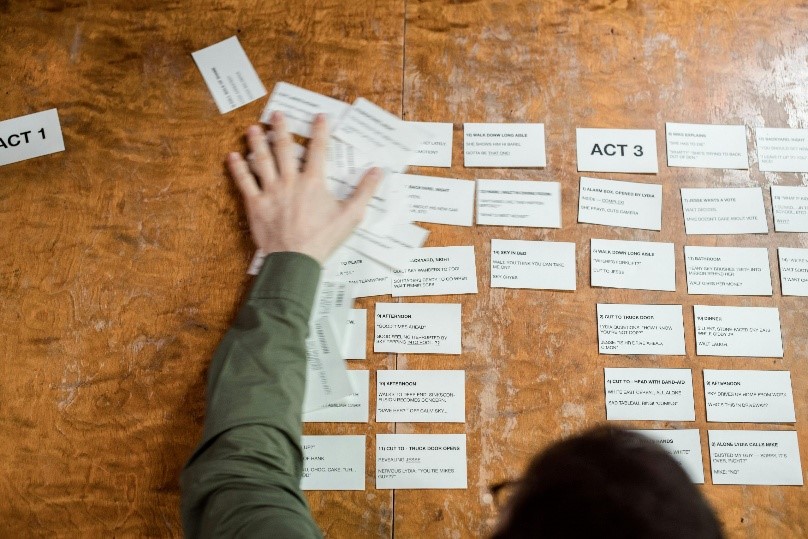
If you think writing a microdrama is the same as writing a movie or TV episode, it’s time to level up your game.
January 22, 2025
Not long ago, “appointment television” was the norm. Families gathered on the sofa to catch their favorite programme, from shows...
February 22, 2025

The rise of mobile-first viewing has transformed storytelling, and AI is now pushing the boundaries of vertical dramas.
March 22, 2025