June 5, 2026
At Sea Star Productions, we're always keeping our eye on the changes in digital storytelling.
While the Human vs. AI debate dominates headlines, we prefer to look at the hard data to see where the industry is actually moving. Recently, Bogdan Nesvit (Co-CEO of HOLYWATER) shared some groundbreaking findings regarding their AI verticals: https://www.linkedin.com/in/bogdannesvit/
The data is a wake up call for any production house in the microdrama space, and we wanted to highlight the three key takeaways that are currently reshaping how we're thinking about content creation.
The most common argument against AI generated content is that audiences won't "feel" it. However, HOLYWATER's internal analytics suggest the audience has already moved past that.
At Sea Star, we believe that great content is great content. If the story resonates, the viewer doesn't care if it was captured on a lens or rendered on a server. As long as the content is honest and does not take actors' likeness without their permission.
If engagement is equal, where is the catch? According to Nesvit, the major difference is in individual scale.
On average, a single AI series doesn't yet reach the massive organic subscriber heights of a viral live action hit. We think this is due to the actors in the vertical drama space having a huge power over audience viewership.
To compete with traditional live action platforms, the strategy shifts from "one big hit" to "high volume excellence." Because AI allows for faster production, the goal is to produce more high quality series to achieve the same scale as live action.
Perhaps the most shocking data point comes from the advertising networks. For the first time, AI microdramas are overtaking live action in terms of marketing investment per series.
Why this matters: Advertisers are seeing better Return on Ad Spend (ROAS) and scalability with AI content compared to live action. When the world's largest ad networks start shifting their weight toward AI, it's no longer a trend, it's a market shift.
One of the most vital points Nesvit made is that 95%+ of these series are still produced by professional creators. At Sea Star Productions, we see AI in the same light: it is a powerful instrument.
It's a tool that helps creators turn their memories, emotions, and unique worldviews into a visual form faster and with fewer resource barriers.
AI is a massive wave approaching the shore. We aren't interested in being washed away; we're interested in how this technology can help us tell better stories, faster.
Credit for these insights and data points goes to Bogdan Nesvit and the team at HOLYWATER. You can find his original breakdown on LinkedIn here: https://www.linkedin.com/posts/bogdannesvit_ai-microdrama-vs-live-action-part-2-my-previous-share-7457845284174249984-i3yn
If you're interested in more vertical drama updates, sign up to our newsletter at the bottom of the page or contact us for more information!
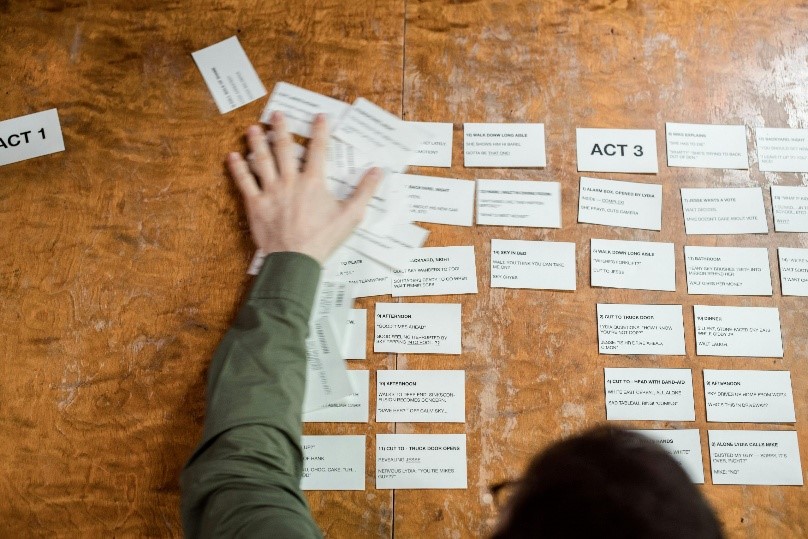
If you think writing a microdrama is the same as writing a movie or TV episode, it’s time to level up your game.
January 22, 2025
Not long ago, “appointment television” was the norm. Families gathered on the sofa to catch their favorite programme, from shows...
February 22, 2025
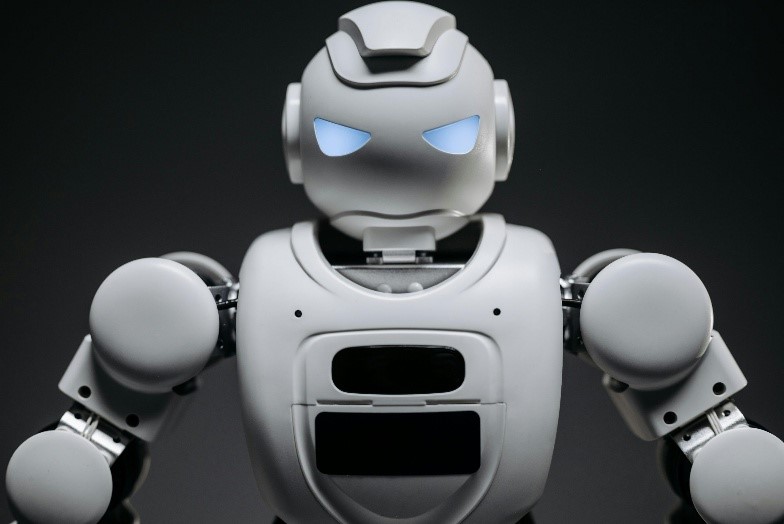
The rise of mobile-first viewing has transformed storytelling, and AI is now pushing the boundaries of vertical dramas.
March 22, 2025