July 14, 2026
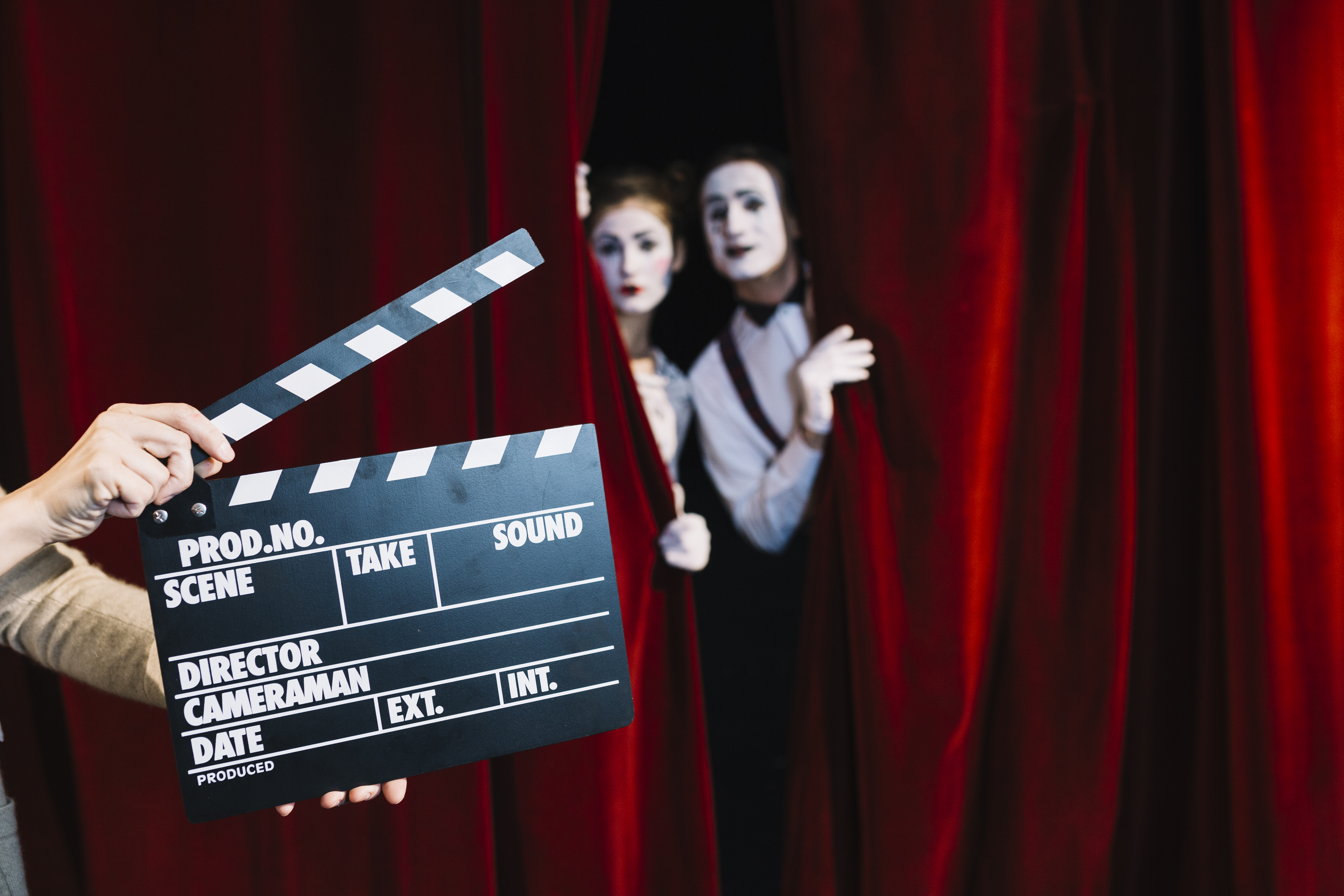
The rise of vertical dramas has fundamentally changed the language of screen performance.
For over a century, actors were trained for horizontal cinema: wide frames, ensemble staging, lateral movement, and theatrical slow burn relationships. But the 9:16 mobile frame rewrites those rules entirely. In vertical storytelling, the actor's face becomes architecture, eye lines become retention tools, blocking becomes compression, and micro expressions matter more than body language.
Casting for vertical drama is no longer about finding "good actors." It is about finding performers whose emotional presence survives and thrives inside a constrained mobile frame.
As platforms like ReelShort, DramaBox, FlexTV, and GoodShort continue scaling, production companies are rapidly adapting casting methods specifically for vertical viewing behaviour. The industry is quietly developing an entirely new acting cohort.
Conventional film casting evolved around widescreen composition. Actors traditionally rely on full body movement, ensemble interaction, environmental staging, spatial choreography and long form emotional buildup.
But vertical drama compresses visual storytelling into a narrow portrait frame optimised for smartphone screens which changes everything.
In 9:16:
Many actors who perform well in traditional cinema struggle in vertical formats because their performance style is too physically broad or dependent on a horizontal screen. Meanwhile, performers with strong facial precision and emotional immediacy excel.
Vertical casting rewards:
This is why some lesser known actors outperform conventionally trained screen actors in short drama ecosystems. The frame itself changes the craft.
One of the biggest shifts in vertical casting is the importance of facial structure and visual readability. In horizontal cinema, environments help share visual attention whereas in vertical framing, the face carries most of the narrative load.
Successful 9:16 actors typically possess:
This does not necessarily mean "model like beauty", it means visual communication efficiency and on small mobile screens, subtle emotional transitions must remain visible even at reduced scale.
That is why casting directors increasingly prioritise:
In many vertical dramas, a single reaction shot determines whether a viewer continues watching.
Eye lines function differently in vertical storytelling. In widescreen cinema, eye lines often direct viewers horizontally across environments. In 9:16, eye lines guide emotional intensity vertically and centrally.
Because smartphones are held inches from viewers' faces, vertical drama often feels psychologically more intimate than television. The viewer subconsciously experiences stronger parasocial relationships, which means eye contact carries extraordinary emotional weight.
Slight adjustments in gaze direction can dramatically affect:
The best vertical actors understand how to "pull" viewers emotionally through lens awareness.
Traditional blocking emphasises horizontal movement: walking across rooms, ensemble staging, wide spatial interaction. Vertical drama cannot rely on these mechanics. The frame is too narrow. Instead, blocking in 9:16 prioritises:
For example:
This changes casting requirements. Actors in vertical productions must understand frame boundaries, spatial compression, controlled movement economy, and lens intimacy. Overacting physically often breaks vertical immersion. The best performers conserve movement and maximise emotional precision.
Romantic chemistry has always mattered in entertainment, but in vertical drama, chemistry becomes economically critical. Most top performing vertical dramas rely heavily on romance, tension loops, emotional reversals and close up interactions.
That means casting chemistry is no longer optional. In 9:16 framing:
This is why many vertical productions now conduct:
Some actors who appear highly charismatic in traditional formats lose energy inside compressed portrait framing. Others become magnetic. Vertical chemistry is its own performance category.
Casting decisions in vertical drama are increasingly shaped by editing behaviour. Editors need actors capable of generating frequent reaction beats, sharp emotional pivots, fast expression changes, clear pause timing and cliffhanger compatible reactions.
A strong vertical actor creates "editable emotion." This means:
Interestingly, vertical drama often rewards performance intensity that traditional cinema might consider excessive. Why? Because smartphone viewing reduces subtlety. The mobile screen naturally compresses visual detail, environmental scale and emotional nuance.
As a result, slightly heightened reactions often perform better algorithmically. This does not mean poor acting, it means calibrated amplification. The strongest vertical performers understand how far emotional intensity can stretch, how to remain believable while accelerating pacing, and how to sustain dramatic rhythm without theatrical collapse.
Vertical acting sits somewhere between television soap operas, TikTok emotional immediacy, and mobile native performance design. It is a hybrid craft still evolving in real time.
As the market matures, some production companies are beginning to specialise specifically in vertical native casting and performance systems.
At Sea Star Productions, we position ourselves around cinematic microdrama production optimised for modern mobile viewing behaviour. What distinguishes Sea Star is our understanding that vertical storytelling requires different casting instincts, different blocking methodologies, different pacing psychology and different editing rhythms.
Rather than treating vertical as simply "cropped cinema," we approach 9:16 as its own storytelling language. This is increasingly important because audiences can instantly sense when a production was designed for vertical vs. adapted into vertical.
The most advanced studios are now training actors specifically for:
As vertical entertainment grows, acting techniques will continue evolving independently from traditional film and television. Future casting systems may increasingly evaluate mobile screen emotional readability as a must have.
Vertical drama is now creating its own celebrity ecosystem. And the actors who understand 9:16 performance psychology earliest may become the defining faces of the next entertainment generation.
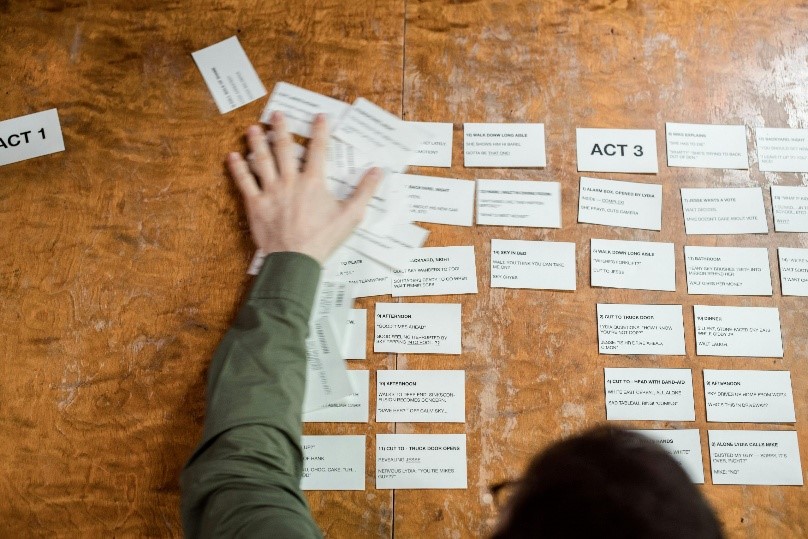
If you think writing a microdrama is the same as writing a movie or TV episode, it’s time to level up your game.
January 22, 2025
Not long ago, “appointment television” was the norm. Families gathered on the sofa to catch their favorite programme, from shows...
February 22, 2025

The rise of mobile-first viewing has transformed storytelling, and AI is now pushing the boundaries of vertical dramas.
March 22, 2025